Optimizing Investment in Heavy Equipment for Your Project
Investing in heavy machinery is one of the most capital-intensive decisions a project manager can make, directly influencing both your bottom line and your timeline. Successfully navigating this landscape requires a strategic approach that balances immediate operational demands with long-term financial health. By systematically evaluating your fleet options, you can convert massive equipment costs from a financial burden into a powerful driver of project profitability.
Assessing Your Core Project Requirements
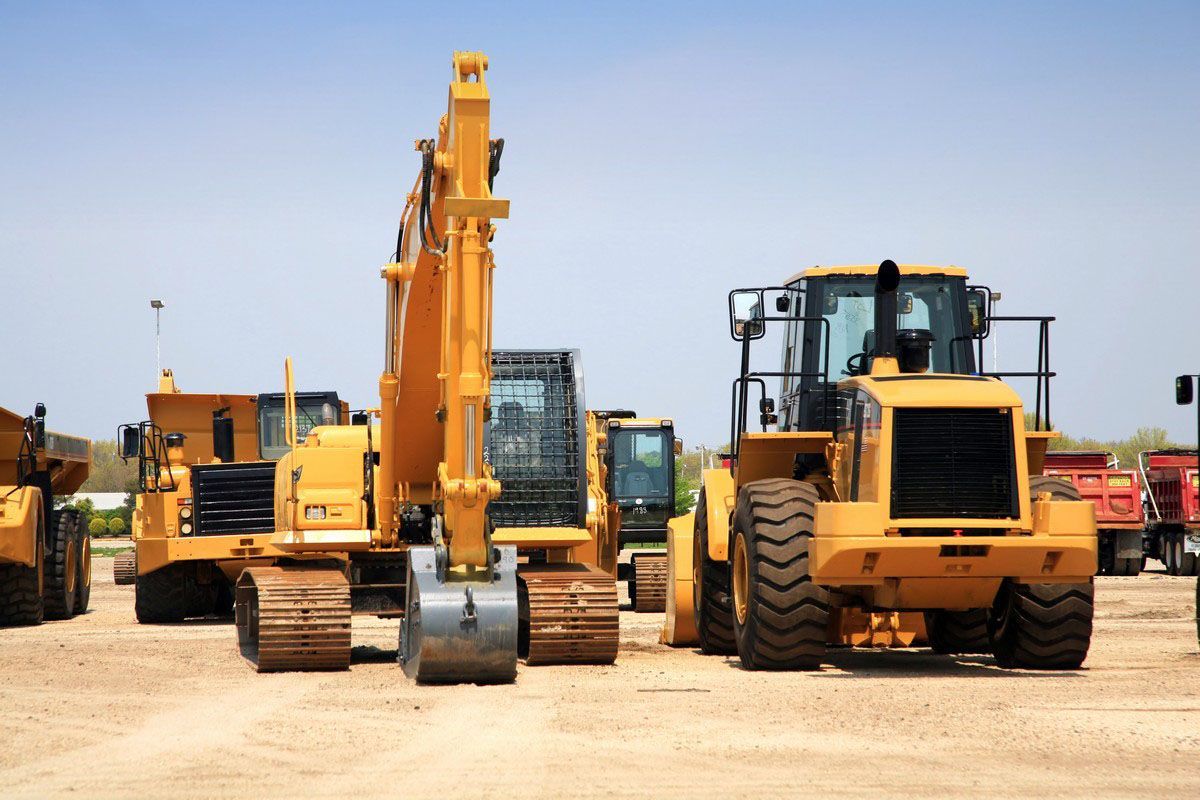
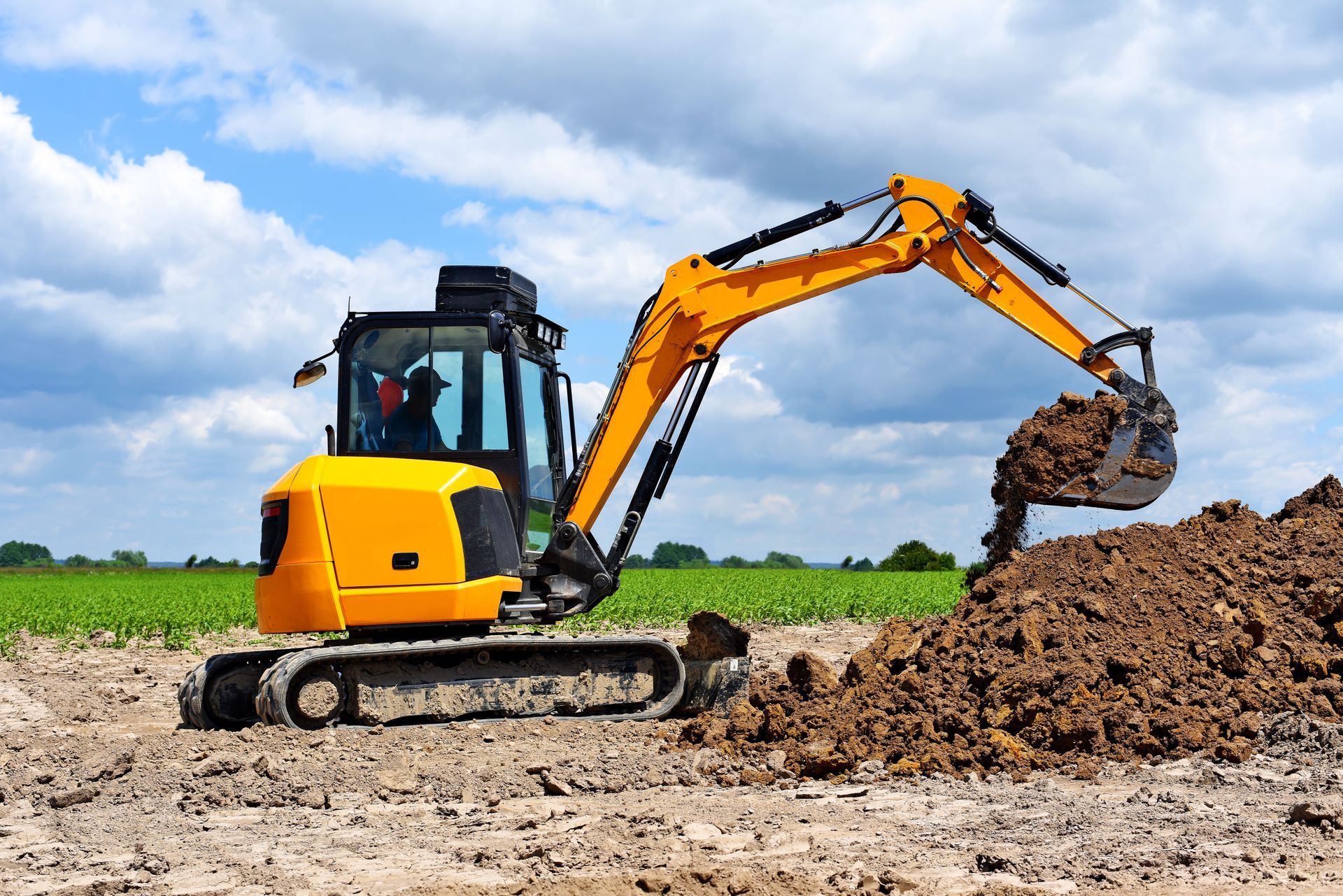
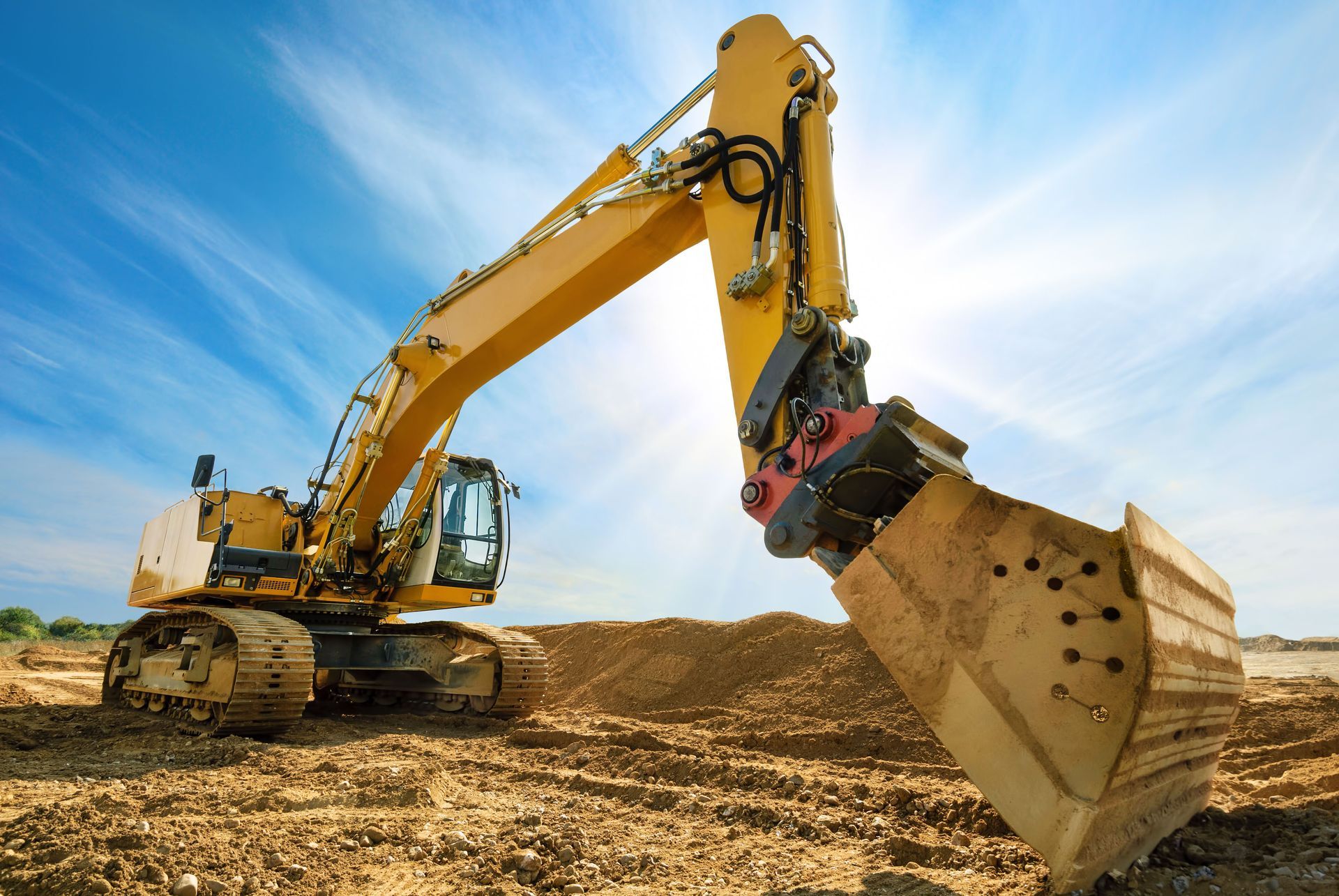
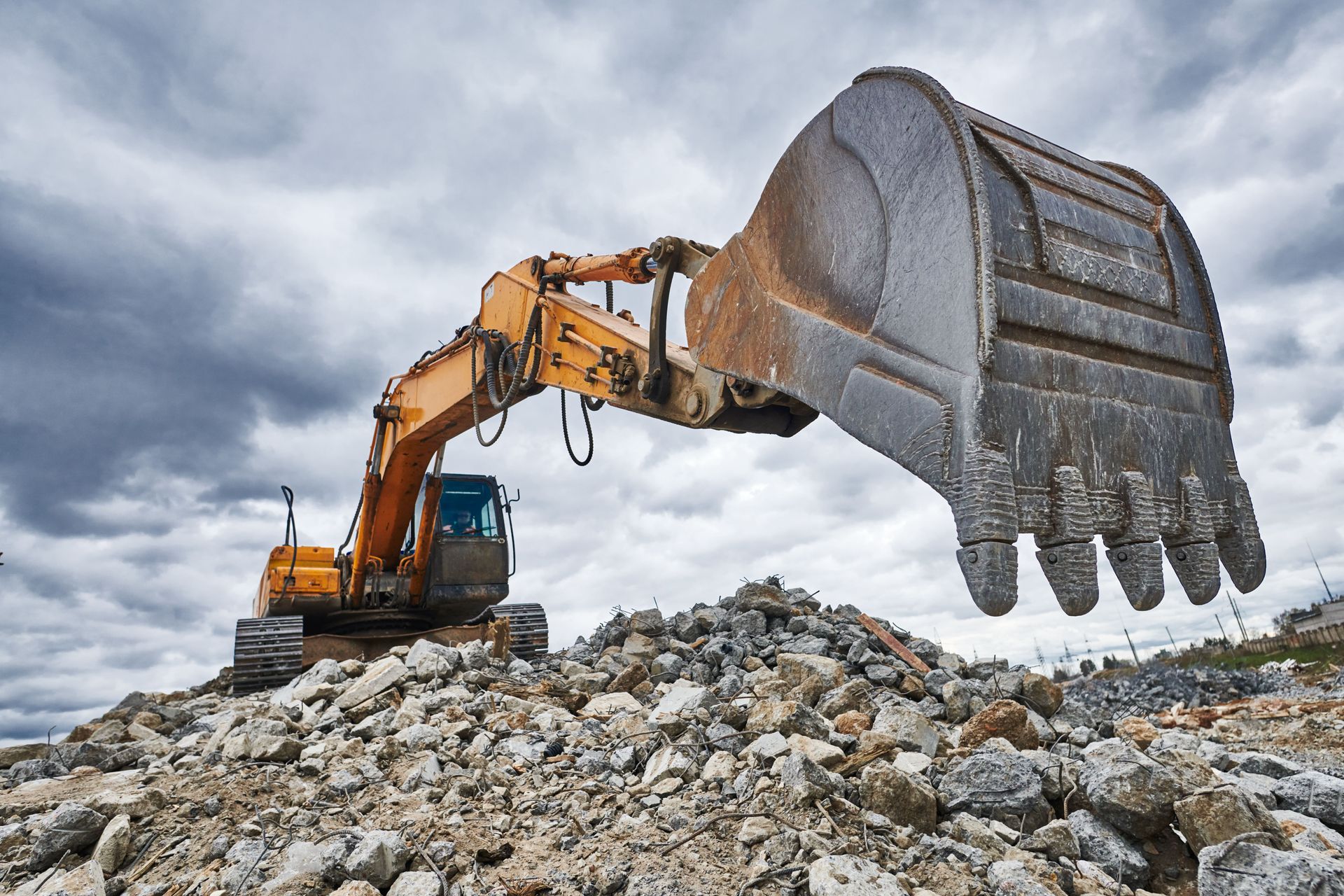
Before committing any capital to heavy equipment services, you must define the exact scope, geological conditions, and timeline of your upcoming build. Choosing an oversized machine leads to unnecessary fuel consumption and transport challenges, while underpowered gear risks catastrophic failure and costly project delays. Understanding the primary workhorses of the industry is critical to this stage of planning. According to data compiled by Gitnux, excavators make up about 35% of global construction equipment sales. This massive market share underscores the excavator's status as the fundamental multi-tool of modern earthmoving, but even this versatile machine must be selected with precise weight classes and attachments in mind.
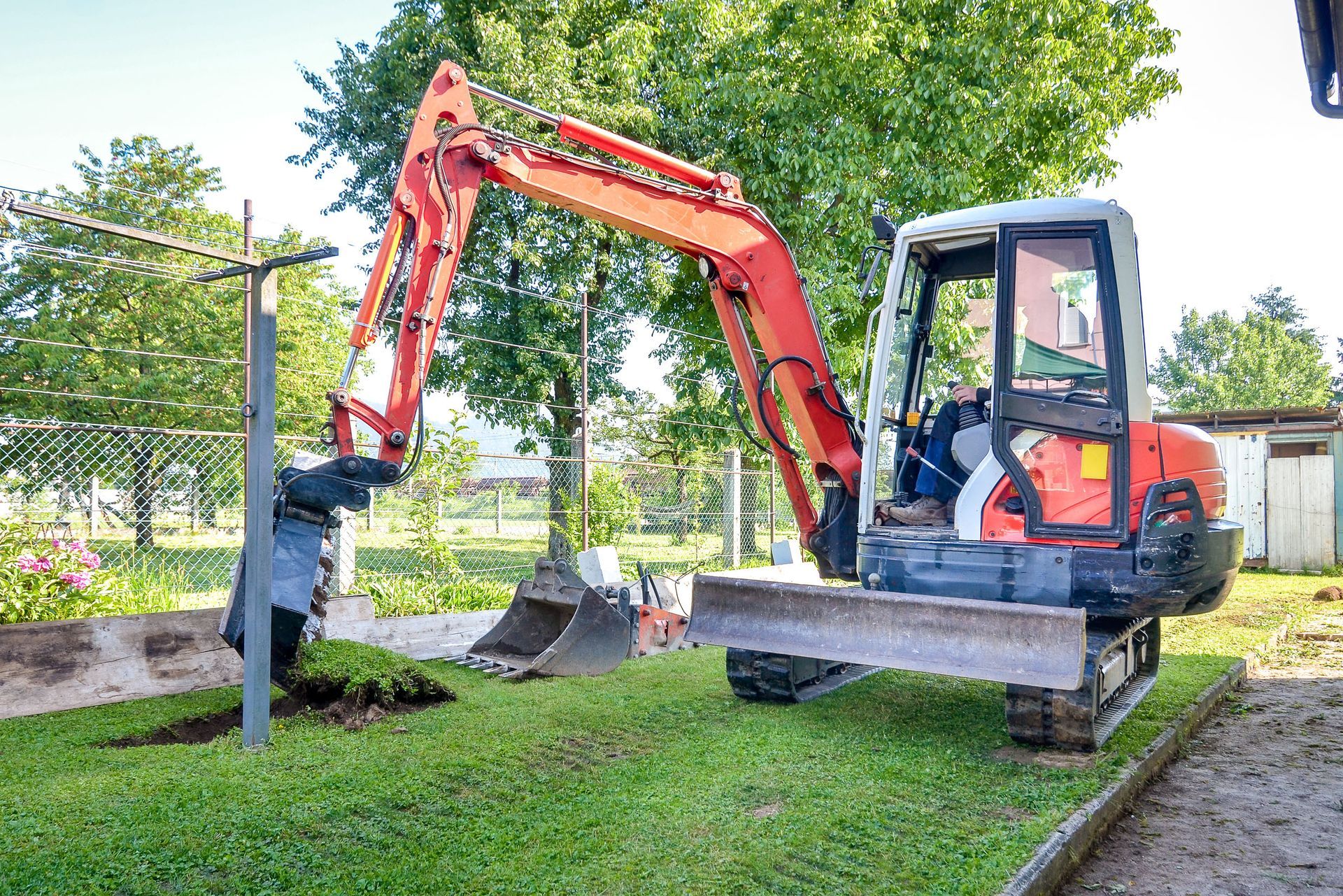
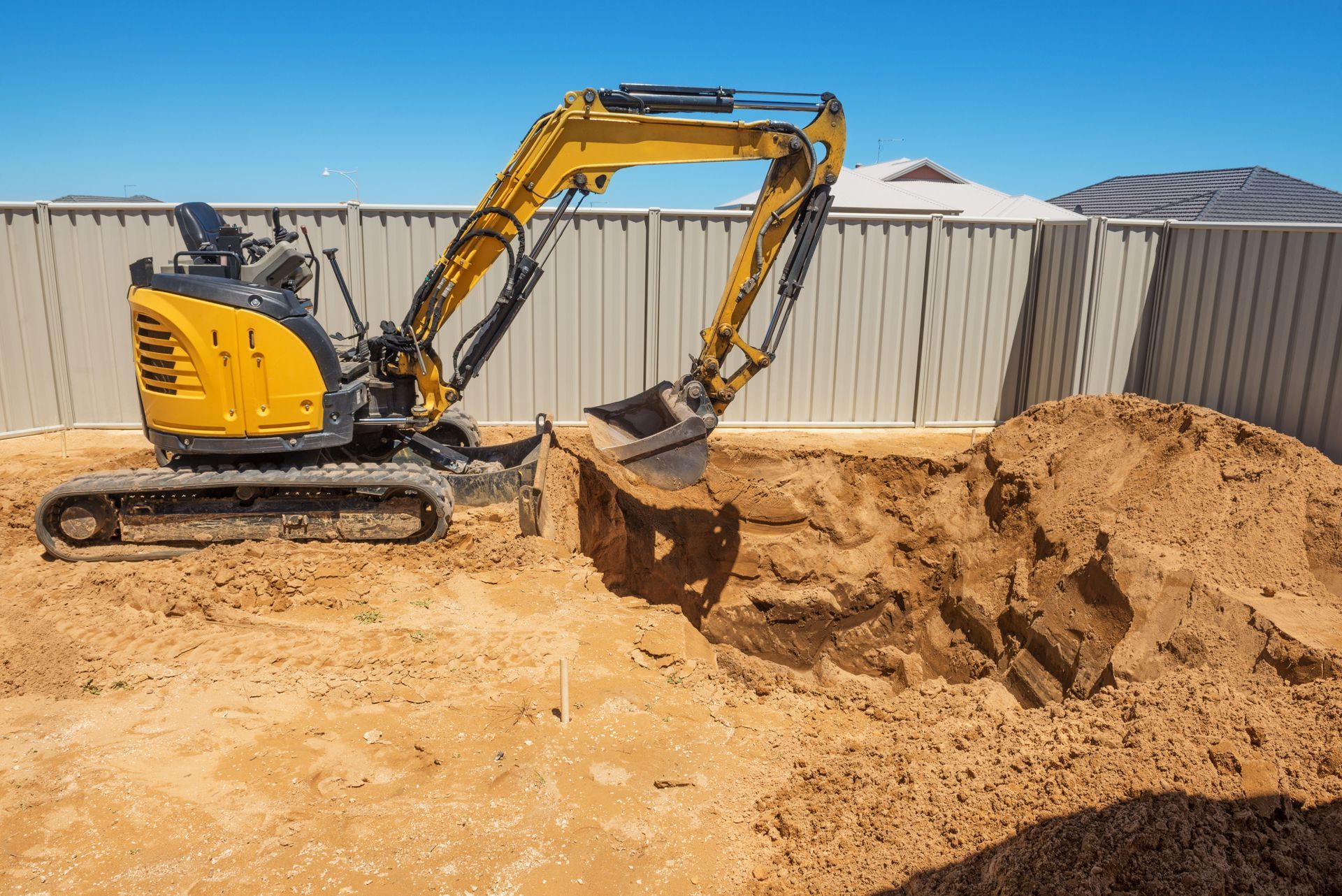
Beyond simply digging, you must evaluate soil density, vertical lift limits, and the spatial constraints of your job site to map out your exact equipment roster. Soil that is rocky or highly compacted requires heavy-duty buckets with specialized teeth, whereas loose sandy soil might call for wider, high-capacity buckets to optimize cycle times. Additionally, consider the environmental parameters, such as working in tight urban environments where zero-tail-swing models are mandatory to prevent accidental collisions with adjacent structures. Taking the time to analyze these geological and spatial factors prevents the common pitfall of over-specifying your fleet, saving you thousands of dollars in unnecessary rental fees or capital expenditures.
Evaluating Your Financial Acquisition Models
Once your machinery needs are defined, the next hurdle is deciding whether to buy, rent, or lease the necessary fleet. Buying new machinery offers long-term equity and maximum availability, but it also ties up substantial capital and exposes your business to rapid depreciation. On the other hand, renting allows you to secure highly specialized tools for short-term phases without the burden of long-term storage, transport logistics, or interest rates. Many developers find that outsourcing logistics to third-party heavy equipment services provides a flexible alternative, allowing them to scale their operational capacity up or down as project milestones shift.
Leases offer a middle ground, presenting lower monthly payments than direct purchases while retaining the option to buy or upgrade the machinery when the contract concludes. When calculating the true cost of ownership versus rental, you must factor in indirect expenses such as insurance, taxes, storage, and transport between sites. By running these comparative financial scenarios early, you can protect your cash flow and ensure your capital remains highly liquid.
Maximizing Your Operational Machine Efficiency
Securing the right fleet is only half the battle; you must also guarantee that every piece of machinery operates at peak efficiency once it arrives at the site. Idle machinery is a silent profit killer, draining your budget through wasted fuel, lease amortization, and operator wages without producing any physical progress. Establishing clear daily targets and structuring your site layout to minimize travel distances can drastically reduce these costly inefficiencies. In many cases, partnering with specialized providers of heavy equipment services can help streamline these operations by supplying highly trained, certified operators who know how to push machines to their safe limits without causing premature wear.
Furthermore, optimizing your site logistics is a highly effective way to maximize machine efficiency. For example, positioning stockpile areas closer to excavation zones reduces the cycle times of wheel loaders and articulated dump trucks, keeping the entire workflow moving smoothly. Implementing a strict idle-reduction policy, such as shutting down engines during extended pauses in work, not only saves expensive diesel fuel but also reduces the accumulation of non-productive engine hours, which directly preserves the resale value of your machines. By treating machine hours as a highly perishable and expensive resource, you can extract maximum physical output from every drop of fuel.
Minimizing Your Scheduled Equipment Downtime
Unplanned equipment breakdowns can derail even the most meticulously planned project schedules, leading to cascading delays and severe contractual penalties. To combat this risk, project managers must pivot from a reactive "fix-it-when-it-breaks" mindset to a proactive, data-driven preventative maintenance strategy. This involves scheduling routine inspections, analyzing fluid samples, and replacing worn components before they trigger a catastrophic system failure. Accessing reliable, round-the-clock heavy equipment services ensures that you have certified technicians ready to perform these critical checkups without disrupting your active working hours.
A comprehensive maintenance protocol should also empower your machine operators to perform daily preliminary inspections. Simple tasks like checking fluid levels, inspecting hydraulic hoses for leaks, and ensuring track tension is correct can catch minor issues before they escalate into multi-thousand-dollar repairs. Furthermore, keeping a modest inventory of high-wear parts on-site, such as hydraulic hoses, filters, and seals, can slash your average repair time from days to mere hours. Protecting your capital investment through disciplined, scheduled maintenance is ultimately the single most effective way to protect your project budget from sudden, devastating spikes in repair costs.
Integrating Your Advanced Fleet Technologies
Modern heavy machinery is no longer just iron and hydraulics; it is an interconnected ecosystem of sensors, GPS tracking, and advanced telematics. By integrating these digital systems into your operations, you can monitor fuel consumption, track idle times, and receive real-time engine diagnostics directly on your smartphone or desktop. Leveraging these insights allows you to identify operator habits that accelerate wear and tear, adjust site logistics dynamically, and schedule maintenance based on actual engine hours rather than arbitrary calendar dates. When sourcing your fleet, look for modern heavy equipment services that offer tech-enabled machinery complete with integrated payload measurement and 3D grade-control systems.
These automated grading tools enable operators to reach finish grade faster and with extreme accuracy, virtually eliminating the costly need for manual staking and rework. Telematics also play a critical role in job-site security, allowing you to establish virtual geofences that trigger instant alerts if a machine is moved outside of designated hours or boundaries. By tracking the exact location and performance metrics of your machinery, you gain complete visibility over your operations, allowing you to hold your teams accountable and optimize fleet distribution across multiple active job sites. Embracing this technological evolution transforms raw field data into actionable intelligence, giving you a distinct competitive advantage in both speed and cost-control.
Partnering with Professional Service Providers
The complexity of managing modern construction fleets means that few general contractors can efficiently handle every aspect of equipment logistics, maintenance, and compliance internally. Establishing long-term agreements with reputable heavy equipment services allows your core team to focus entirely on project execution while experts manage the headaches of machinery transport, safety certifications, and specialized rigging. These professional partnerships grant you rapid access to rare, niche machinery that would be financially unjustifiable to purchase outright, ensuring you never have to turn down complex bids due to equipment limitations.
Moreover, trusted providers of equipment services bring invaluable regulatory expertise to the table, helping you easily navigate complex local emissions standards and strict job-site safety rules. They handle the administrative burdens of compliance tracking, equipment registration, and safety audits, protecting your business from costly liability and fines. When choosing a service partner, look for providers that offer comprehensive support, including emergency field service, operator training programs, and flexible rental-purchase options. By integrating these external experts directly into your project planning phases, you secure a reliable, scalable supply chain of machinery and technical support that adapts effortlessly to any project scale.
Optimizing your investment in heavy machinery requires a careful blend of precise job-site planning, rigorous financial analysis, and proactive maintenance strategies. By leveraging advanced fleet telematics and aligning with professional service partners, you can mitigate the financial risks of equipment ownership while maximizing daily output. Treating your fleet as a dynamic, strategic asset rather than a static overhead expense is what separates highly profitable construction projects from those plagued by costly overruns. For more on how to most benefit from heavy equipment services, please reach out to Legacy Iron LLC today.


Share On: