
How to Choose the Right Earthmoving Equipment for Your Construction Project
Choosing the right earthmoving equipment is crucial for the success of any construction project. From excavators to bulldozers, choosing machinery that matches your site conditions, project size, and timeline can improve efficiency, reduce costs, and ensure safety. This guide explores key factors to help you make the best decision with the assistance of a heavy equipment rental company.
Understanding the Scope of Your Construction Project
Before selecting any earthmoving equipment, it's essential to thoroughly assess the scope and requirements of your construction project. Factors such as project size, site conditions, terrain type, and the volume of material to be moved play a crucial role in determining the type of machinery you will need. For example, a small residential excavation may require a compact excavator, while a large commercial or infrastructure project could necessitate heavy-duty bulldozers and wheel loaders. Understanding the scale of work and anticipated challenges upfront allows construction managers to make informed decisions about equipment selection, ensuring both efficiency and safety.
Additionally, evaluating your project timeline and budget is critical. Earthmoving equipment comes with varying costs for purchase, rental, and operation, so aligning the machine type with financial constraints is a strategic step. By identifying these parameters early, project managers can avoid costly delays or equipment mismatches that may affect productivity and overall project success.
Earthmoving Equipment Types
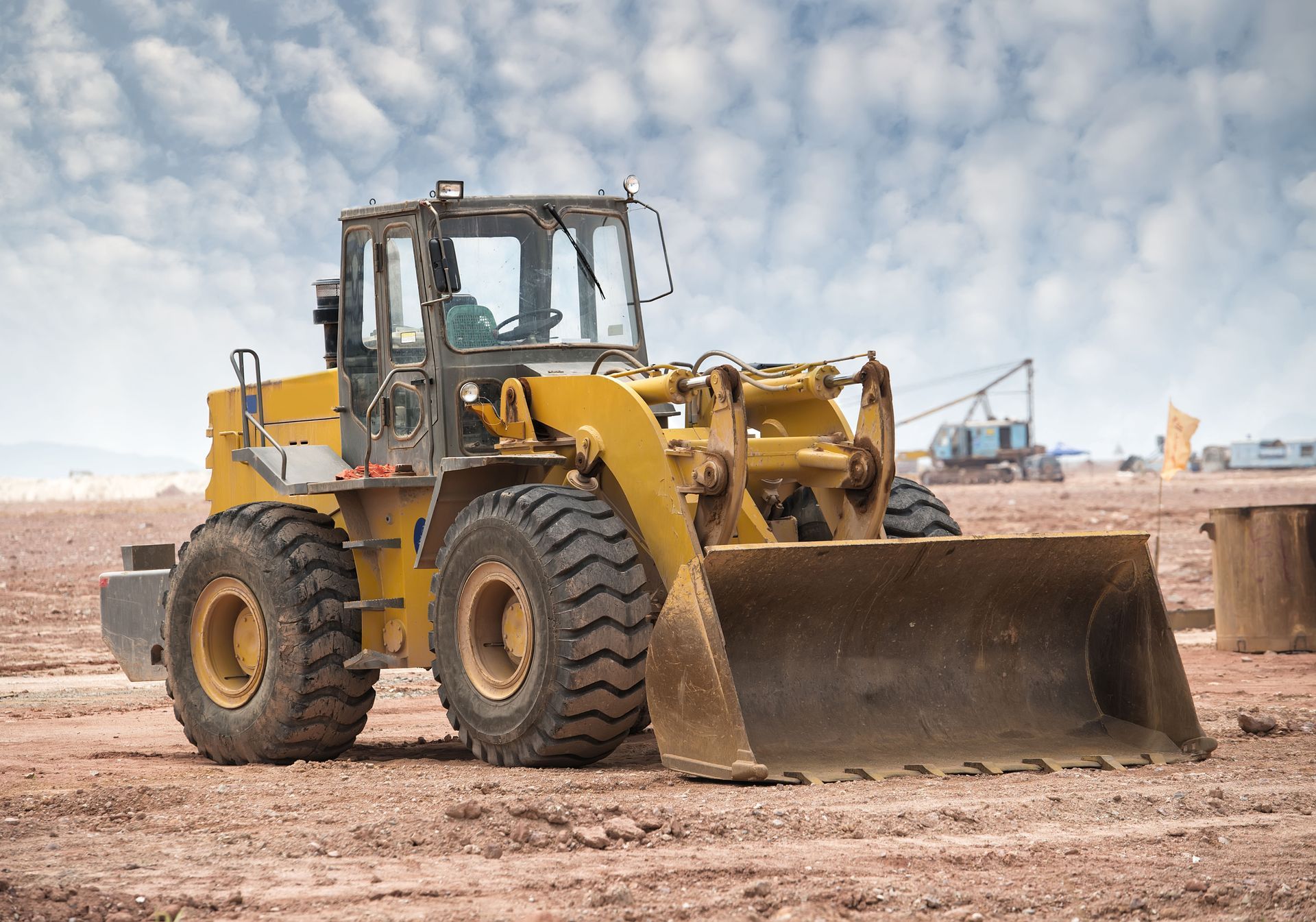
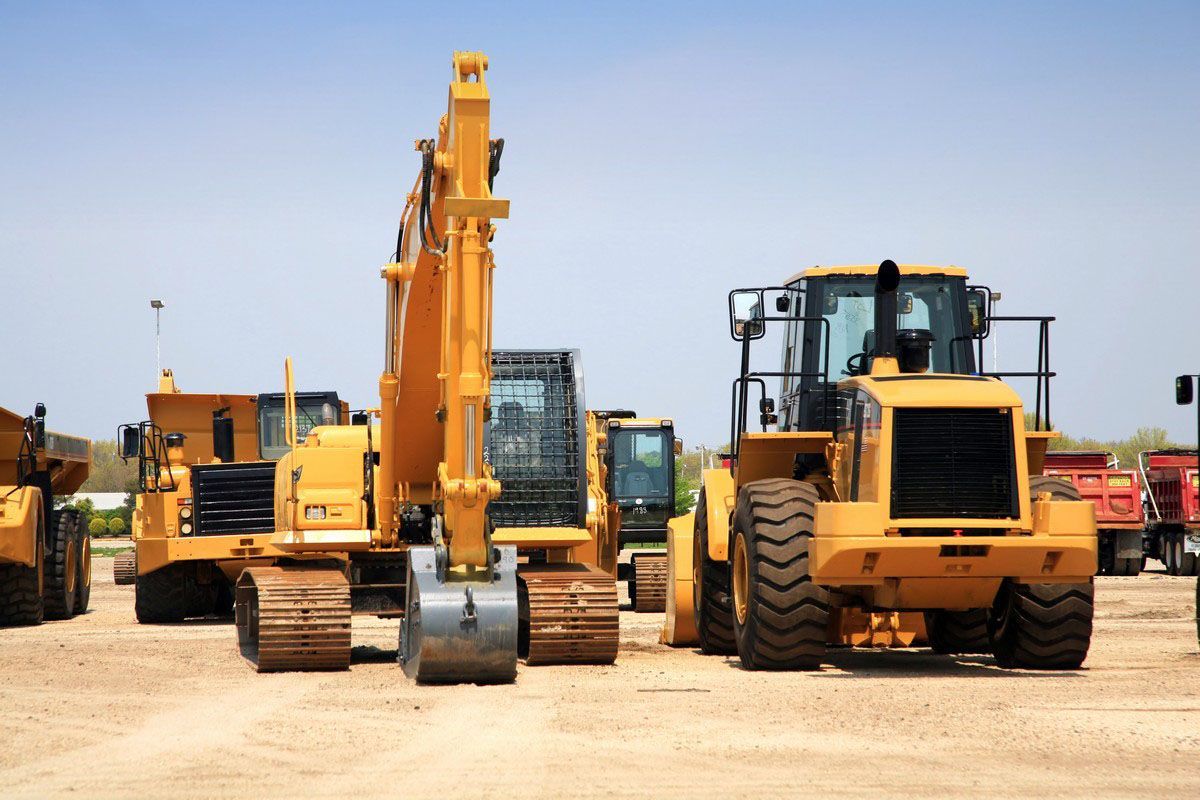
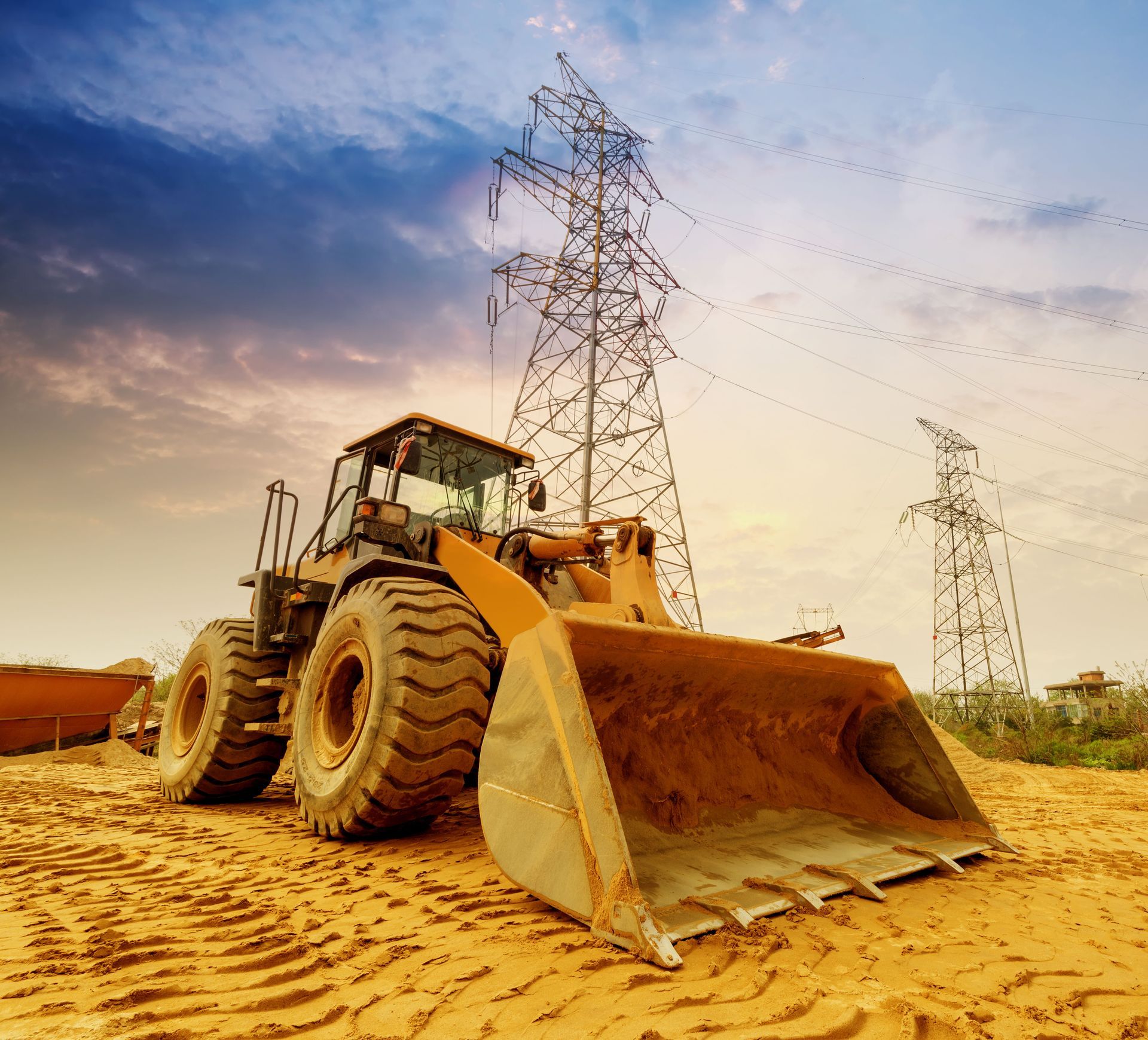
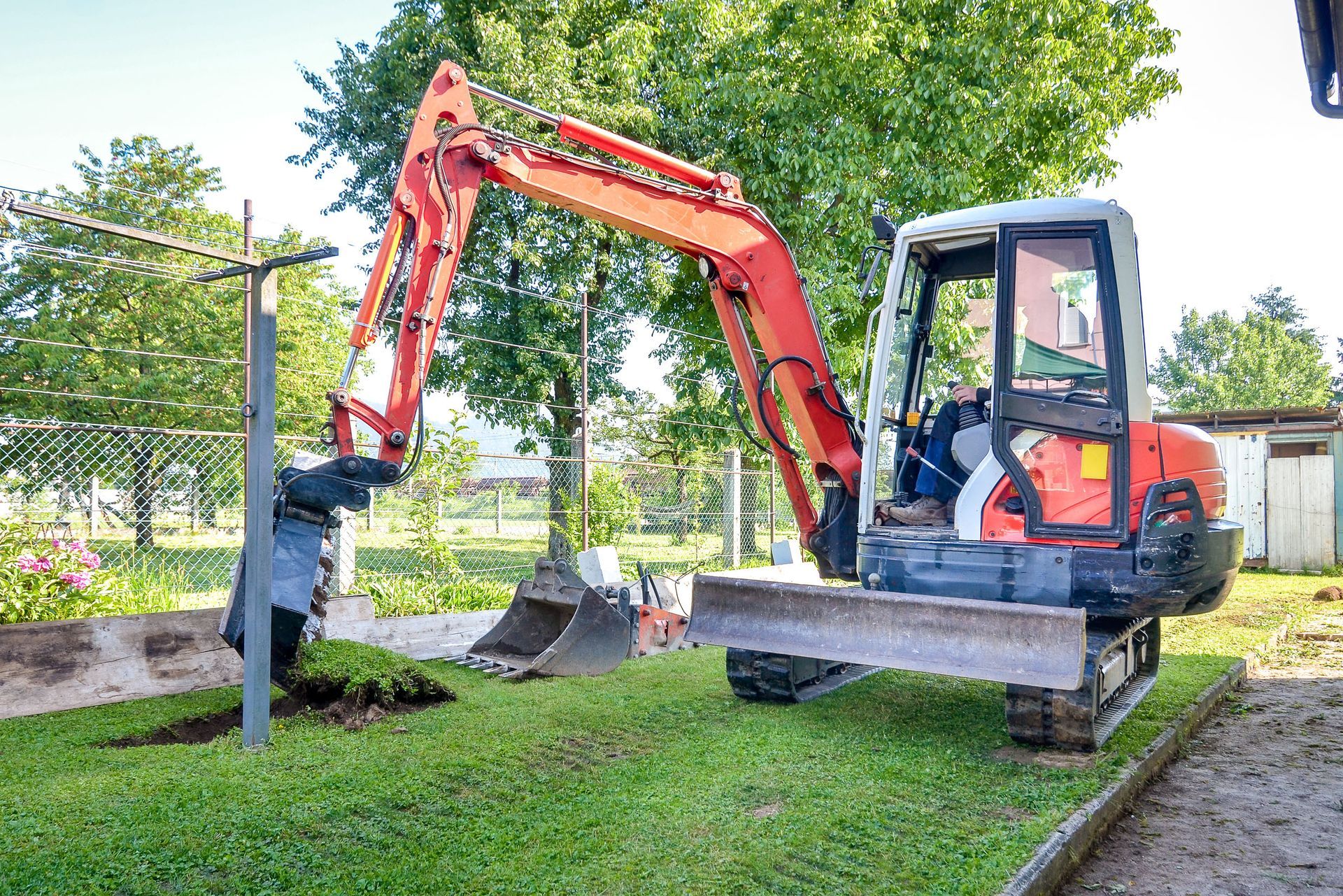
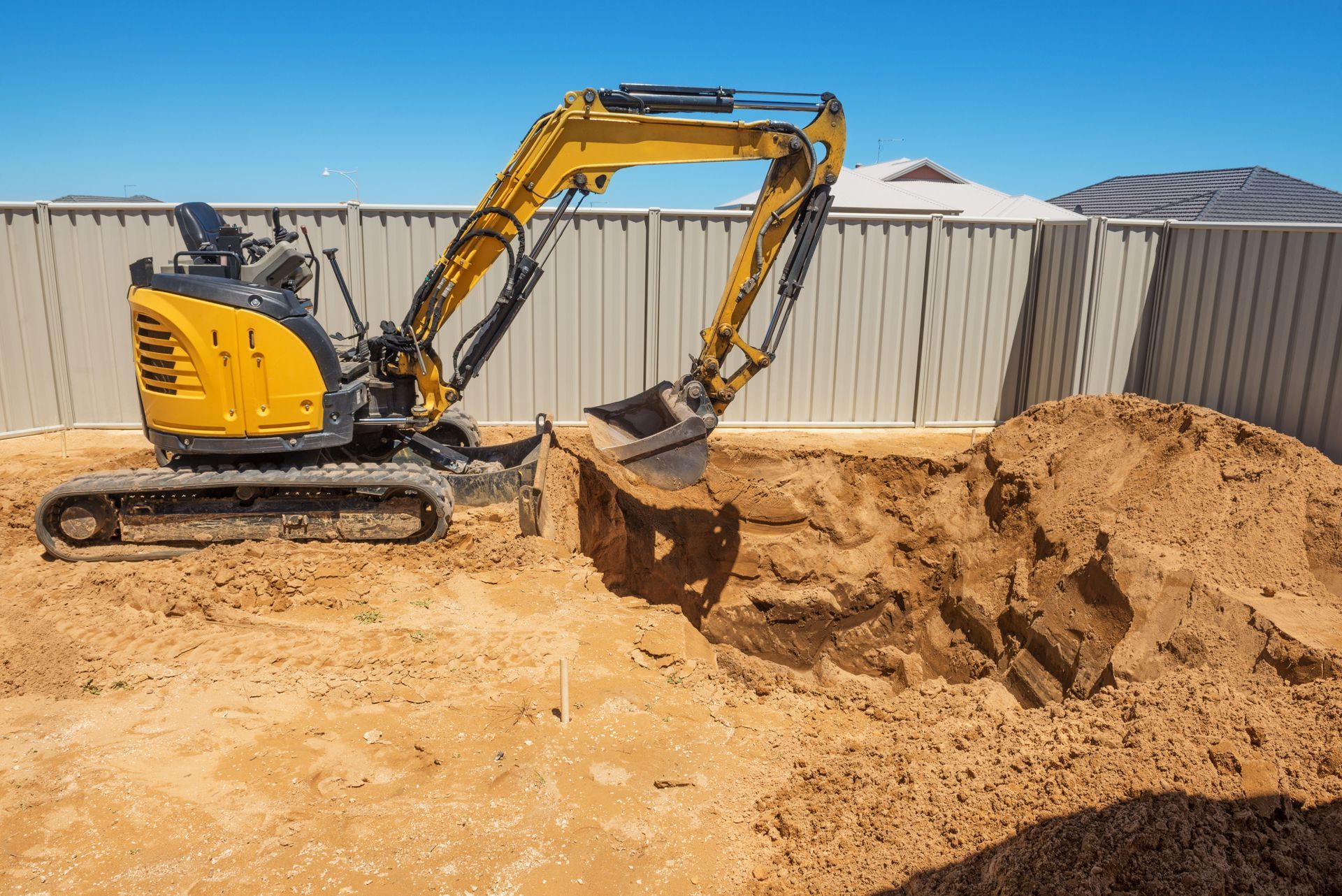
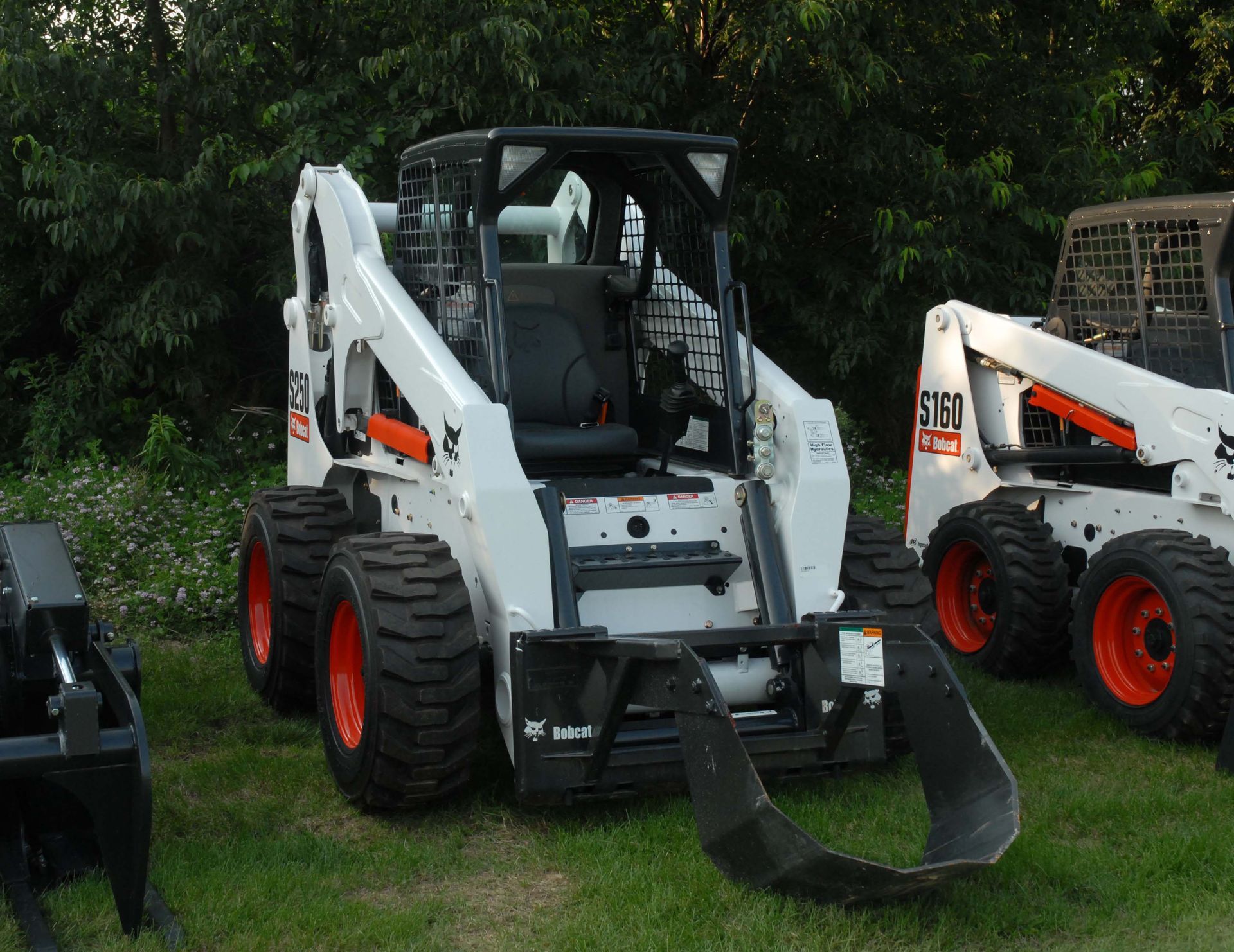
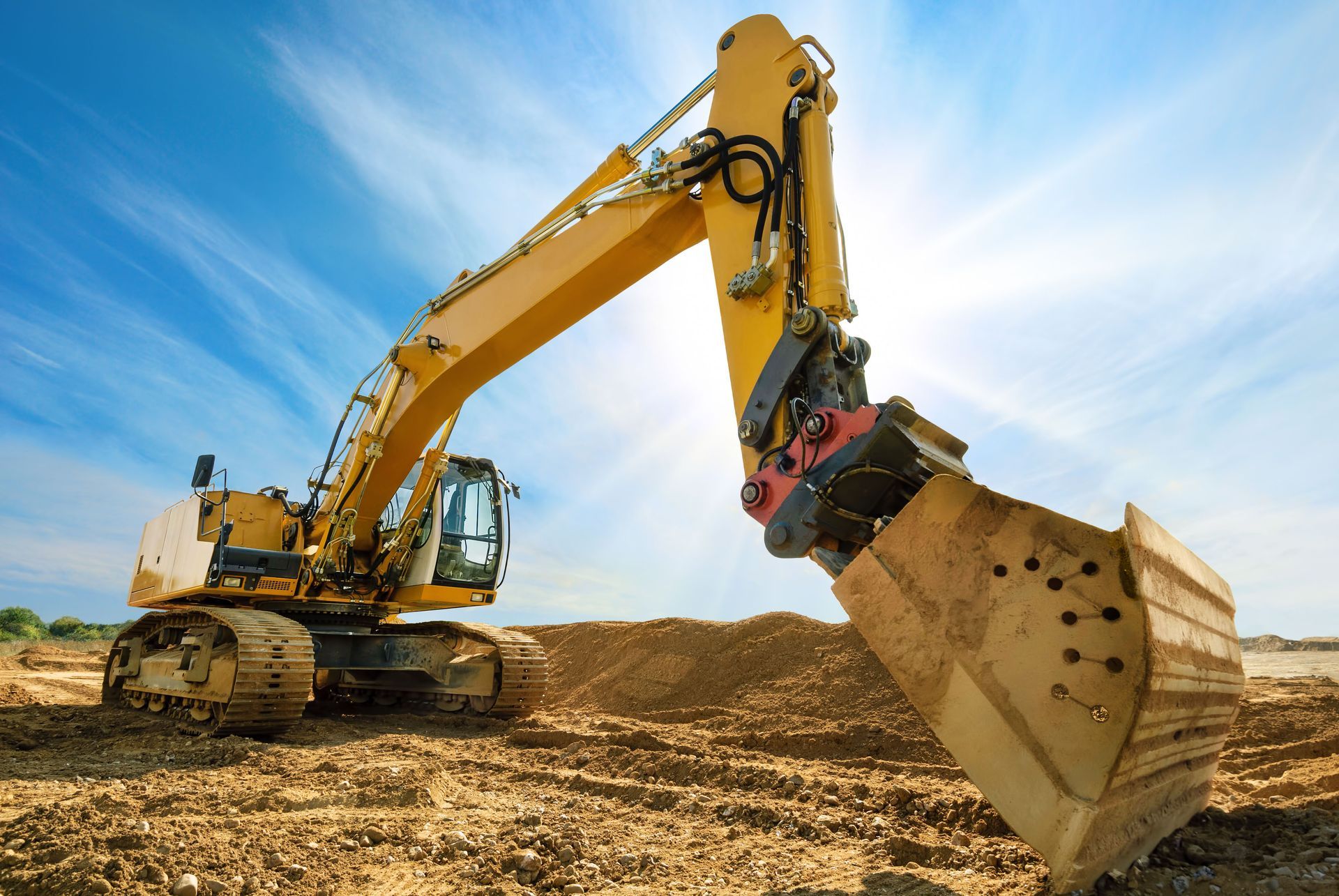
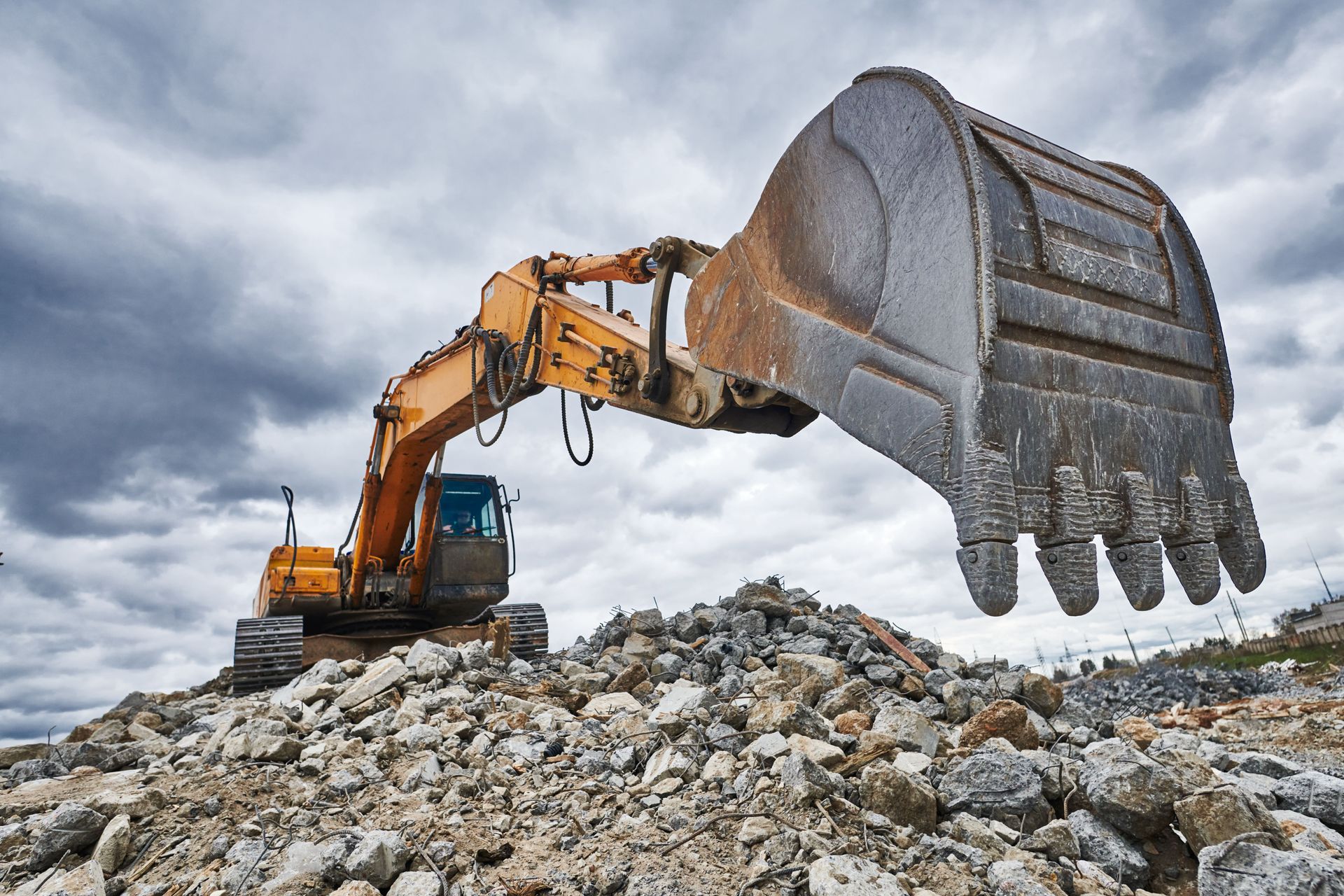
Earthmoving equipment encompasses a wide range of machinery, each designed for specific tasks. Some of the most common types include excavators, bulldozers, loaders, backhoes, graders, and dump trucks. Excavators are ideal for digging trenches and foundations, while bulldozers are best suited for clearing large areas, pushing earth, and leveling land. Loaders are versatile machines used for material handling, loading trucks, and moving loose materials. Backhoes combine the functions of excavators and loaders, making them useful for smaller sites or varied tasks. According to Global Market Insights, in 2024, backhoes accounted for over 50% of the earthmoving equipment rental market, driven by a surge in road construction and public infrastructure projects.
Graders are designed to create smooth surfaces and proper slopes, which are crucial for road construction or preparing building sites. Dump trucks provide essential hauling capability, transporting soil, gravel, and debris efficiently. Choosing the right combination of these machines from a heavy equipment rental company requires analyzing the specific demands of your project. Some projects may benefit from multi-functional machinery to reduce costs and operational complexity, while larger projects may require specialized heavy equipment to maintain timelines and productivity. Understanding the capabilities and limitations of each type of earthmoving equipment is the foundation of effective project planning.
Evaluating Site Conditions and Terrain
The nature of your construction site is a decisive factor in selecting appropriate earthmoving equipment. Soil type, moisture levels, topography, and access routes can all influence machine performance. For instance, sandy or loose soils may require equipment with wide tracks to distribute weight and prevent sinking, while rocky terrain may demand machines with higher torque and reinforced components. Sites with steep slopes or uneven terrain often necessitate specialized equipment like articulated dump trucks or crawler excavators designed for stability and traction in challenging conditions.
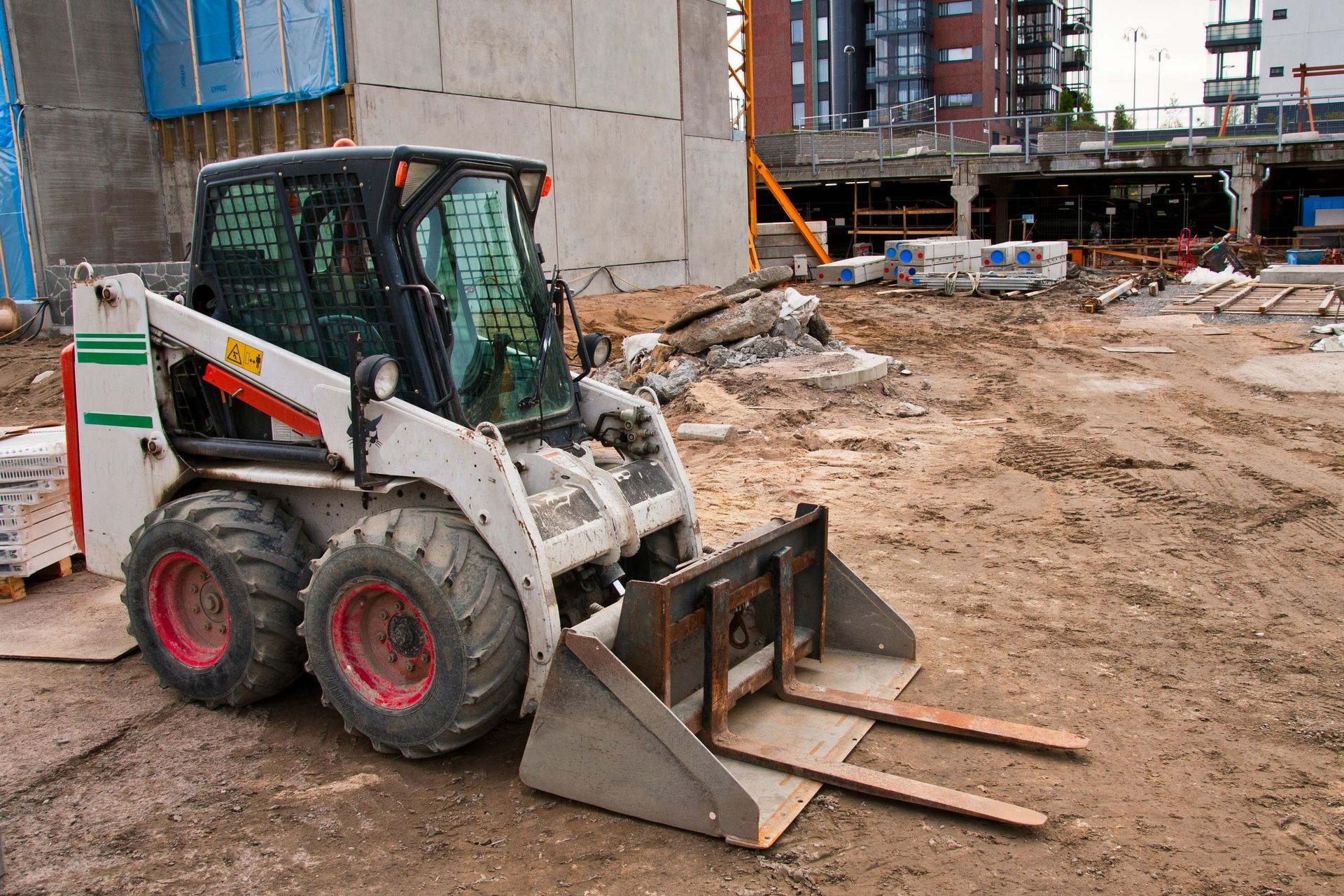
Site accessibility also plays a role when working with a heavy equipment rental company. Narrow, confined spaces may require compact machines, while open sites can accommodate larger machinery. Additionally, understanding environmental constraints, such as proximity to water bodies, residential areas, or protected land, ensures that the equipment chosen minimizes disturbance and complies with local regulations.
Considering Equipment Capacity and Specifications
Once the project scope and site conditions are understood, the next step is to evaluate the capacity and specifications of potential earthmoving machines. Key factors include bucket size, engine power, operating weight, reach, and lifting capacity. These specifications determine how much material a machine can handle and how efficiently it can perform specific tasks. For example, a high-capacity excavator can dig deeper and move more soil per cycle, reducing project timelines. Similarly, bulldozers with larger blade sizes can move earth faster but may require more space to operate effectively.
Understanding machine specifications also ensures safety. Overloading a piece of equipment can lead to mechanical failure or accidents on-site. By matching machine capacity to project requirements, managers can maintain both operational efficiency and workplace safety. Consulting manufacturers’ technical sheets or heavy equipment rental company specifications can provide valuable insights into machine capabilities.
Cost Analysis: Purchase Versus Rental
Cost is a critical consideration when selecting earthmoving equipment. Depending on project duration, budget, and frequency of use, construction managers must decide whether purchasing or renting machinery is more economical. Purchasing offers long-term benefits for companies with frequent projects, as it reduces recurring rental costs and provides full control over machine availability. However, ownership comes with responsibilities for maintenance, storage, insurance, and depreciation.
Renting equipment, on the other hand, offers flexibility, especially for short-term or one-time projects. A heavy equipment rental company often provides well-maintained, up-to-date machines with options for on-site delivery, reducing logistical challenges. Cost-effective rental agreements may include flat-rate fees, maintenance coverage, and emergency support, allowing companies to allocate capital to other essential areas of the project. A detailed cost-benefit analysis helps determine the best financial approach while ensuring access to the right equipment.
Maintenance and Operational Support
Reliable maintenance and operational support are essential for the consistent performance of earthmoving equipment. Machines that break down frequently can cause delays and inflate project costs. When picking out equipment, consider the availability of spare parts, ease of maintenance, and manufacturer or heavy equipment rental company support services. Some machines may also offer telematics systems that monitor performance, maintenance schedules, and fuel consumption, providing valuable data for efficient operation.
Training operators on proper equipment use is equally important. Skilled operators can maximize machine performance while minimizing wear and tear, fuel consumption, and safety risks. Investing in operator training programs ensures that the chosen earthmoving equipment is used effectively, reducing the likelihood of accidents and equipment damage.
Fuel Efficiency and Environmental Considerations
Modern construction projects increasingly prioritize sustainability and environmental impact. Fuel efficiency, emissions compliance, and noise levels are important factors when selecting earthmoving equipment. Machines with energy-efficient engines or hybrid technology can reduce fuel consumption, lower greenhouse gas emissions, and decrease operational costs over time. Additionally, quieter machines may be necessary in urban areas or projects near residential zones to minimize noise disturbances.
Environmental regulations often require proper disposal of lubricants, hydraulic fluids, and other materials. Choosing machines designed for environmental compliance simplifies adherence to these regulations, reducing legal risks. By incorporating eco-friendly practices into equipment selection, construction companies can demonstrate corporate responsibility and improve public perception.
Matching Equipment To Project Timeline
Aligning earthmoving equipment selection with project timelines is critical to ensuring timely completion. High-capacity machines may reduce operational cycles, while multi-functional equipment can handle several tasks simultaneously. Proper planning ensures that equipment is available when needed, avoiding downtime due to scheduling conflicts or transportation delays. Renting multiple machines in phases or combining machines with complementary functions can optimize workflow and maintain project momentum.
Project managers should also account for potential delays caused by adverse weather, terrain challenges, or unexpected material volumes. Flexibility in equipment allocation ensures that the project stays on schedule without compromising quality or safety. Careful coordination between site teams, operators, and your heavy equipment rental company is key to achieving project efficiency.
Choosing the right earthmoving equipment is a multi-faceted process. The key to a successful construction project lies in strategic planning, informed decision-making, and a clear understanding of the capabilities and limitations of each piece of earthmoving equipment. Investing time and resources into selecting the right machinery will not only streamline project execution but also strengthen the overall performance and reputation of your construction team. Based out of Grain Valley, MO, our team at Legacy Iron LLC provides equipment rental solutions throughout the Kansas City, MO area. From flexible rental terms and competitive pricing to reliable delivery options, choose us for all your heavy equipment needs. Contact our heavy equipment rental company today to get started!




Share On: